
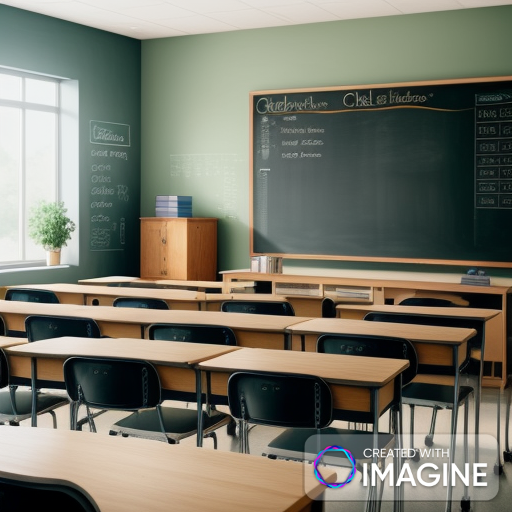

In the realm of education, the classroom arrangement serves as a tangible representation of history and continuity. Beneath its apparent stability, though, is a stark inadequacy: a failure to adjust and make room for the constantly changing needs and potentials of contemporary learners. "Death to the Chalkboard" is a moving call to action that compels us to examine the outmoded systems that impede advancement and discourage creativity in the field of education.
The idea that, despite the enormous advancements humanity has made in technology and societal progress, the classroom layout has remained mostly constant is at the core of this critique. The chalkboard, an artifact of the past, represents the inflexibility and stagnation that characterize modern teaching methods. Even with the introduction of interactive learning resources and digital technologies, many classes still use antiquated techniques that place more emphasis on rote memorization than on creativity and critical thinking.
In fact, the continued use of antiquated teaching techniques that fall short of realizing the full potential of contemporary educational tools hinders our society's advancement. Though tremendous progress has been made in disciplines like psychology and neuroscience, our method of teaching and learning is still deeply rooted in the past. This discrepancy draws attention to a basic mismatch between the rate of technology advancement and the flexibility of instructional strategies.
Exploring alternative pedagogical techniques that stress students' holistic development while embracing technology improvements is central to any meaningful critique of today's classroom arrangement. Innovations such as flipped classrooms, project-based learning, and individualized learning platforms show great potential in meeting students' different requirements and learning styles. Educators may build dynamic learning environments that promote engagement, critical thinking, and collaboration by harnessing technology and implementing student-centered techniques.
But we can't lose sight of the student's humanity in our pursuit of innovation. It is crucial that we keep the social, emotional, and ethical aspects of education in mind when we adopt new technologies and approaches. Students should feel respected, encouraged, and empowered to pursue their interests and hobbies in a supportive environment that is provided by the classroom. As a result, every innovative approach to teaching needs to be based on a thorough comprehension of both the complexity of the learning process and human nature.
To effect meaningful change in the classroom, we must mobilize a concerted effort to support educators, teachers, and the school community. Professional development programs, ongoing training initiatives, and collaborative learning communities can equip educators with the skills and knowledge needed to adapt to the evolving needs of learners. Moreover, policymakers and educational leaders must prioritize investment in infrastructure, resources, and research that facilitate the integration of innovative teaching practices into the mainstream.
"Death to the Chalkboard" is, in the end, a rallying cry for the overhaul of our educational system. It pushes us to face the inflexibility of the current classroom design and work toward a time when learning is defined by adaptability, inclusivity, and creativity. Through adapting to change and cultivating an ongoing culture of enhancement, we can establish educational settings that enable learners to prosper in a constantly evolving world.